

-
A Deployment-Oriented Case Study of YOLO-Based Model Compression for On-Board Space Debris Detection -
Cognitive Digital Twins: A Systematic Review of Definitions, Applications, and a Unified Definition -
Detecting Health Product Misinformation on Social Media Using Large Language Models Grounded in Biomedical Evidence
Journal Description
Information
Information
is a scientific, peer-reviewed, open access journal of information science and technology, data, knowledge, and communication, published monthly online by MDPI. The International Society for the Study of Information (IS4SI) is affiliated with Information and its members receive discounts on the article processing charges.
- Open Access— free for readers, with article processing charges (APC) paid by authors or their institutions.
- High Visibility: indexed within Scopus, ESCI (Web of Science), Ei Compendex, dblp, and other databases.
- Journal Rank: JCR - Q2 (Computer Science, Information Systems) / CiteScore - Q1 (Information Systems)
- Rapid Publication: manuscripts are peer-reviewed and a first decision is provided to authors approximately 18.7 days after submission; acceptance to publication is undertaken in 3.8 days (median values for papers published in this journal in the first half of 2026).
- Recognition of Reviewers: Reviewers whose reports are timely and of high quality receive an APC discount voucher for a future publication in an MDPI journal. Become a reviewer.
- Journal Cluster of Information Systems and Technology: Analytics, Applied System Innovation, Cryptography, Data, Digital, Informatics, Information, Journal of Cybersecurity and Privacy and Multimedia.
Impact Factor:
4.3 (2025);
5-Year Impact Factor:
3.8 (2025)
Latest Articles
Software Development of Business Intelligence Dashboards: Empirical Study of COSMIC ISO/IEC 19761 Size-Based Effort Estimation Using Machine Learning Techniques
Information 2026, 17(9), 884; https://doi.org/10.3390/info17090884 - 11 Sep 2026
Abstract
Measuring the functional size of business intelligence (BI) and digital marketing analytics dashboard development can provide quantitative input for estimating the required time and cost of software development efforts. However, digital analytics practitioners currently lack practical guidance for planning dashboard development using measurement-based
[...] Read more.
Measuring the functional size of business intelligence (BI) and digital marketing analytics dashboard development can provide quantitative input for estimating the required time and cost of software development efforts. However, digital analytics practitioners currently lack practical guidance for planning dashboard development using measurement-based inputs that support reliable estimation models. Therefore, this study proposes the first Common Software Measurement International Consortium (COSMIC) ISO/IEC 19761 framework to measure the functional size of software user requirements of Power BI, Data Studio, and Tableau. An empirical study was conducted to measure the functional sizes of two datasets based on COSMIC. These functional sizes were considered inputs to several machine learning (ML) models to predict the effort required for BI dashboard development. The outcomes of these ML models showed that projects with consistent, low-variability effort should be prioritized when collecting or selecting data for training effort-estimation models and recommended the use of Stacking Regressor, Linear Regression, and Voting Regressor models for similar datasets because these models recorded the highest standardized accuracy for predicting BI development efforts with high generalization performance. These findings demonstrate the importance of applying COSMIC as a software engineering standard to BI and digital marketing analytics projects by offering measurements that allow for decisions informed by data rather than intuition or guesswork.
Full article
(This article belongs to the Special Issue Intelligent Technologies in Software Development and Service Engineering)
Open AccessArticle
A Systematic Benchmark of Quantum Support Vector Machines for Interpretable Attribution of AI-Generated Text
by
Kalin Kopanov and Tatiana Atanasova
Information 2026, 17(9), 883; https://doi.org/10.3390/info17090883 - 11 Sep 2026
Abstract
Reliable attribution of artificial intelligence (AI)-generated text to a specific large language model (LLM) matters increasingly as LLMs proliferate, yet where quantum machine learning actually stands on this task has, to our knowledge, never been measured systematically. We benchmark the quantum support vector
[...] Read more.
Reliable attribution of artificial intelligence (AI)-generated text to a specific large language model (LLM) matters increasingly as LLMs proliferate, yet where quantum machine learning actually stands on this task has, to our knowledge, never been measured systematically. We benchmark the quantum support vector machine (QSVM) for binary attribution between Gemma 3 and Qwen 2.5 on a 5800-sample corpus from paired prompts: 83 configurations sweeping qubit count, regularization, training-set size, feature-map family, and circuit depth under exact, noiseless classical statevector simulation. QSVM validation accuracy plateaus at approximately 88%, whereas a classical support vector machine with a radial basis function kernel reaches approximately 97.8% on the identical fourteen-dimensional inputs: the ceiling belongs to the quantum (fidelity) kernel, not to the input representation. We measure the mechanism: off-diagonal quantum kernel values shrink exponentially with qubit count, the signature of exponential kernel concentration. The same classical model recovers the stylometric attribution fingerprint, showing it belongs to the shared feature pipeline rather than to the quantum kernel. All large-scale headline results generalize to an independent 1000-text test set produced after every design decision was frozen. The study provides a cautionary, reproducible benchmark for quantum kernel natural language processing and outlines an open-set extension as future work.
Full article
(This article belongs to the Special Issue Quantum Technologies in Quantum Cryptography and Quantum Machine Learning)
►▼
Show Figures

Figure 1
Open AccessArticle
Source-Platform Attribution in Open-Source UAV Flight-Control Software: A Multi-View Representation Study
by
Ting Ma, YingChen Liu and HongShen Li
Information 2026, 17(9), 882; https://doi.org/10.3390/info17090882 - 11 Sep 2026
Abstract
Function-level source-platform attribution asks which known repository a code fragment originated from; it does not infer vulnerabilities, defects, exploitability, or other security properties. This study benchmarks lexical, frozen semantic, and multi-view pipelines for five open-source UAV flight-control repositories. UAV-SAFENet (a project-specific name; the
[...] Read more.
Function-level source-platform attribution asks which known repository a code fragment originated from; it does not infer vulnerabilities, defects, exploitability, or other security properties. This study benchmarks lexical, frozen semantic, and multi-view pipelines for five open-source UAV flight-control repositories. UAV-SAFENet (a project-specific name; the “SAFE” label does not denote safety or security assurance) is used as a controlled comparator combining character-level TF-IDF, frozen CodeBERT embeddings, and 20 lightweight count-based indicators. Exact-hash cleaning yields 170,761 functions, and a path-keyword-selected (PKS) subsystem subset contains 42,808 functions. Under the random function-level split, 32,334 of 34,153 full-dataset test functions (94.7%) and 8018 of 8562 PKS test functions (93.6%) originate from files also represented in training; the scores may therefore partly reflect file- or module-specific memorization and do not establish unseen-file generalization. Class-weighted LinearSVM remains strongest at 0.9580 Accuracy/0.9276 Macro-F1 on the full dataset and 0.9547/0.9112 on PKS. Across seeds 42, 43, and 44, UAV-SAFENet obtains 0.9349 ± 0.0036/0.8946 ± 0.0045 and 0.9342 ± 0.0030/0.8846 ± 0.0026, respectively; frozen CodeBERT + MLP obtains 0.9277 ± 0.0034/0.8820 ± 0.0059 and 0.9249 ± 0.0033/0.8691 ± 0.0032. Single-seed diagnostics show that concatenation and equal-mean fusion outperform the learned gate on PKS, that removing supervised contrastive learning does not reduce performance, and that the indicator branch receives mean gate weights near 10−5. The principal contribution is therefore the traceable benchmark, artifact-audited comparison, and diagnosis of lexical shortcut dependence rather than a claim of a new best model or a security detector.

Full article
(This article belongs to the Special Issue Emerging Research in Artificial Intelligence for Code Analysis and Security)
►▼
Show Figures

Figure 1
Open AccessArticle
An Environment-Adaptive and Prompt-Fusion Network for Segmenting Unripe Passion Fruits in Complex Scenes
by
Jianhua Zheng, Jinfang Liu, Zhaoxi Luo, Junhao Lan, Wentao Tang, Yuanlan Ye and Jianru Chen
Information 2026, 17(9), 881; https://doi.org/10.3390/info17090881 - 10 Sep 2026
Abstract
In precision agriculture, fruit segmentation serves as a fundamental visual prerequisite for orchard robotic operations, including precision management, automated harvesting and yield estimation. For unripe passion fruits, complex scene interference, high fruit–leaf similarity and foliage occlusion in practical orchard scenes easily cause missed
[...] Read more.
In precision agriculture, fruit segmentation serves as a fundamental visual prerequisite for orchard robotic operations, including precision management, automated harvesting and yield estimation. For unripe passion fruits, complex scene interference, high fruit–leaf similarity and foliage occlusion in practical orchard scenes easily cause missed detection and over-segmentation in existing models. To address these challenges, we build a multi-scene unripe-passion-fruit dataset named ZKMPF. Based on the UNet architecture, we propose Environment-Adaptive and Prompt-Fusion UNet (EAPF-UNet). First, EAPF-UNet embeds an Environmental Adapter into the encoder, which adjusts feature parameters to mitigate complex scenes interference. Then, it incorporates a Localization Multi-Scale Fusion Module (LMSM) and Refinement Multi-Scale Fusion Module (LMFM) to achieve accurate localization and refinement of unripe passion fruits and address scale variations. Finally, it designs the Multi-Dimensional Prompt Fusion module that integrates color, geometry and texture priors to improve the feature discriminability between unripe passion fruits and background. We conduct experiments on our self-built dataset, comparing EAPF-UNet with eight other segmentation models. Evaluated against eight segmentation models, EAPF-UNet obtains mDice of 85.51% and mIoU of 77.16% across six metrics and achieves competitive segmentation results within this dataset’s test scenes.
Full article
(This article belongs to the Section Artificial Intelligence)
►▼
Show Figures

Figure 1
Open AccessArticle
Predictability Is Not Profitability: An Explainable, Cost-Sensitive Evaluation of Customer Churn Across Three Sectors
by
Emrah Fidan, Serra Aksoy, Pinar Demircioglu and Ismail Bogrekci
Information 2026, 17(9), 880; https://doi.org/10.3390/info17090880 - 10 Sep 2026
Abstract
Churn prediction research is largely accuracy-oriented, and the link between prediction and financial decision-making remains underdeveloped. This study builds and tests the chain from prediction to profit as follows: calibrated prediction, SHAP-based explanation, a profit-maximizing threshold, and EMP-based evaluation, across five datasets in
[...] Read more.
Churn prediction research is largely accuracy-oriented, and the link between prediction and financial decision-making remains underdeveloped. This study builds and tests the chain from prediction to profit as follows: calibrated prediction, SHAP-based explanation, a profit-maximizing threshold, and EMP-based evaluation, across five datasets in three sectors. Resampling and class weighting do not improve ranking quality (PR-AUC) and degrade calibration up to 19-fold (ECE); shifting the threshold recovers the same recall without retraining. SHAP-based analysis shows no driver is consistently strong across sectors: usage volume has the broadest reach, but the strongest drivers are dataset-specific, and models do not transfer after semantic alignment. The profit-maximizing threshold matches or beats the fixed 0.5 threshold in all 100 cost-success scenarios examined, and a paired test across datasets and seeds confirms the difference (Wilcoxon p < 0.001); a threshold that looks reasonable by accuracy can still cause a loss. Predictability and profitability rank inversely across datasets (Spearman ρ = −0.90): the most predictable dataset yields the lowest EMP, driven by churners’ value distribution. Compared with ProfLogit, which embeds the profit objective in training, a threshold on a well-calibrated model proves sufficient. Value comes from turning calibrated probabilities into decisions with a financial criterion, not from balancing data.
Full article
(This article belongs to the Special Issue Machine Learning and Data Analytics for Business Process Improvement)
Open AccessArticle
Confidence-Aware Semi-Supervised Vision–Language Contrastive Learning for Abnormal Behavior Recognition
by
Haichuan Liu, Jianxin Sun and Xianmin Zhao
Information 2026, 17(9), 879; https://doi.org/10.3390/info17090879 - 10 Sep 2026
Abstract
Reliable abnormal behavior recognition from surveillance videos is hindered by the high cost of clip-level annotation, the scarcity of abnormal samples, and the context-dependent nature of behavioral semantics. Although vision–language models offer strong semantic transferability, their application under limited supervision remains susceptible to
[...] Read more.
Reliable abnormal behavior recognition from surveillance videos is hindered by the high cost of clip-level annotation, the scarcity of abnormal samples, and the context-dependent nature of behavioral semantics. Although vision–language models offer strong semantic transferability, their application under limited supervision remains susceptible to noisy pseudo-labels and confirmation bias. We propose confidence-aware semi-supervised vision–language contrastive learning (CA-VLC), which jointly exploits limited labeled videos and abundant unlabeled videos. Building on an existing CLIP-initialized temporal backbone, CA-VLC combines behavior-only and context-enriched text prototypes through confidence- and agreement-guided semantic fusion. For unlabeled videos, the model generates predictions from weakly augmented views and selects reliable pseudo-labels using entropy-based confidence estimation and class-adaptive thresholds. Detached weak-view targets then supervise strongly augmented views through confidence-weighted self-training without requiring an additional teacher network. Furthermore, cross-view consistency regularization and confidence-aware contextual alignment suppress unreliable semantic cues and improve robustness to contextual noise. Experiments on CABR50 demonstrate consistent improvements across multiple labeled-data ratios, while evaluations on CABRZ6 and UCF-101 assess prompt-based transfer to predefined target label sets without target-domain fine-tuning. With 10% labeled videos, CA-VLC achieves 84.06% Top-1 accuracy and 83.51% Macro-F1, retaining 95.47% of its fully supervised Top-1 accuracy of 88.05%, thereby demonstrating its effectiveness for label-efficient abnormal behavior recognition.
Full article
(This article belongs to the Special Issue Advances in Weakly Supervised Learning: Theories, Algorithms, and Applications)
►▼
Show Figures

Graphical abstract
Open AccessArticle
Calibration-Based Cuffless Blood Pressure Estimation Using a Dilated-Residual Attention U-Net
by
Thomas Stogiannopoulos and Nikolaos Mitianoudis
Information 2026, 17(9), 878; https://doi.org/10.3390/info17090878 - 10 Sep 2026
Abstract
Non-invasive blood pressure (BP) monitoring using photoplethysmography (PPG) has significant potential, yet accurately predicting systolic (SBP) and diastolic (DBP) blood pressure using photoplethysmogram (PPG) and electrocardiogram (ECG) signals remains challenging. This work proposes a novel dual-stream 1D encoder–decoder architecture for cuffless BP estimation
[...] Read more.
Non-invasive blood pressure (BP) monitoring using photoplethysmography (PPG) has significant potential, yet accurately predicting systolic (SBP) and diastolic (DBP) blood pressure using photoplethysmogram (PPG) and electrocardiogram (ECG) signals remains challenging. This work proposes a novel dual-stream 1D encoder–decoder architecture for cuffless BP estimation from raw photoplethysmography (PPG) and electrocardiography (ECG) signals. The model incorporates multi-scale temporal feature extraction via dilated residual convolutions, cross-signal feature modulation at the bottleneck using Feature-wise Linear Modulation (FiLM), learned scale-wise fusion across encoder levels, attention-gated skip connections, and a hybrid mean-attention pooling regression head. Evaluated under calibration-based conditions on the PulseDB dataset (with selected data values of SBP ∈ [57, 180] mmHg and DBP ∈ [25, 100]), the proposed model achieved a mean absolute error (MAE) of 2.03 mmHg, mean error (ME) of 0.38 ± 3.13 mmHg, and an R2 of 0.93 for diastolic BP (DBP) and an MAE of 3.81 mmHg, ME of −0.28 ± 5.54 mmHg, and an R2 of 0.92 for systolic BP (SBP). The results meet the British Hypertension Society (BHS) and IEEE-1708 standard and achieved an “A” Grade. ECG alone provides lower prediction errors than PPG alone under the evaluated conditions, while their combination yields the best performance. Gender- and age-stratified analyses reveal consistent model behavior across demographic subgroups, with prediction error increasing modestly in older cohorts, particularly among women. This study provides an accurate, calibration-based, cuffless BP estimation and highlights its potential for non-invasive BP monitoring applications.
Full article
(This article belongs to the Special Issue Deep Learning for Image, Video and Signal Processing, 2nd Edition)
►▼
Show Figures

Figure 1
Open AccessArticle
Explainable Machine Learning and Process Mining for ERP-Enabled Business Process Improvement: Evidence from Steel Manufacturing
by
Jesús Alberto Rodríguez-Flores, Alexander Sánchez-Rodríguez, Gelmar García-Vidal, Verónica Alexandra Carrillo-Moya, Yandi Fernández-Ochoa and Reyner Pérez-Campdesuñer
Information 2026, 17(9), 877; https://doi.org/10.3390/info17090877 - 10 Sep 2026
Abstract
Enterprise Resource Planning (ERP) systems generate transactional data, but their value for process improvement depends on converting these records into reliable event logs and useful predictions. This study evaluated a framework combining event-log readiness assessment, process mining, predictive process monitoring, transparent machine learning,
[...] Read more.
Enterprise Resource Planning (ERP) systems generate transactional data, but their value for process improvement depends on converting these records into reliable event logs and useful predictions. This study evaluated a framework combining event-log readiness assessment, process mining, predictive process monitoring, transparent machine learning, and domain validation in an Ecuadorian steel manufacturer. The analysis used 3740 production orders and 31,791 ERP-recorded events, split chronologically into training, validation, and out-of-time test samples. Process discovery identified execution heterogeneity; rework, accumulated waiting, route deviations, and resource congestion were positively associated with deadline violation. At production start, the process-aware ridge logistic model achieved a PR-AUC of 0.839, compared with 0.419 for the static representation and 0.683 for the remaining-slack benchmark, with an ROC-AUC of 0.893, a Brier score of 0.123, and a sensitivity of 0.804. The first material transaction was the earliest operationally useful checkpoint, preserving a median intervention window of 98.7 h before the committed completion date among predicted-positive cases. Additive model decomposition highlighted material-related waiting, queue waiting, partial material issues, and accumulated deviations as contributors to fitted risk. A nine-expert panel translated the evidence into six operational and tactical improvement opportunities. Findings support ERP-based early-warning process intelligence when readiness, temporal validation, calibration, transparency, and actionability are addressed jointly.
Full article
(This article belongs to the Special Issue Machine Learning and Data Analytics for Business Process Improvement)
►▼
Show Figures

Figure 1
Open AccessArticle
Beyond Accuracy: Reliability-Aware Machine Learning for Handwriting-Based Alzheimer’s Disease Detection
by
Uddalak Mitra and Shafiq Ul Rehman
Information 2026, 17(9), 876; https://doi.org/10.3390/info17090876 - 9 Sep 2026
Abstract
Reliable clinical decision support systems require not only high predictive accuracy but also trustworthy probability estimates and robust uncertainty quantification. However, most medical artificial intelligence (AI) studies primarily emphasize discrimination performance while overlooking systematic reliability evaluation. This study proposes a reliability-aware evaluation framework
[...] Read more.
Reliable clinical decision support systems require not only high predictive accuracy but also trustworthy probability estimates and robust uncertainty quantification. However, most medical artificial intelligence (AI) studies primarily emphasize discrimination performance while overlooking systematic reliability evaluation. This study proposes a reliability-aware evaluation framework for Alzheimer’s disease detection that integrates discrimination analysis, statistical validation, probability calibration, uncertainty quantification, robustness assessment, and clinical decision analysis within a unified pipeline. Multiple machine learning classifiers and ensemble configurations were evaluated using repeated stratified cross-validation and assessed through discrimination and calibration metrics. Support Vector Machine achieved the highest ROC-AUC (0.955 ± 0.046), while Extra Trees obtained the highest Accuracy (0.878) and F1-score (0.887). Friedman analysis confirmed statistically significant differences among classifiers ( ). Platt scaling consistently improved probabilistic reliability, whereas Beta calibration demonstrated stable performance under noise, feature perturbation, and reduced-data scenarios. Uncertainty-aware selective prediction increased high-confidence diagnostic accuracy by up to 8.1%, and decision curve analysis demonstrated improved clinical utility. The reliability analysis identified calibration-aware stacking as the most reliable ensemble configuration. An independent cross-dataset evaluation on a heterogeneous Alzheimer’s disease clinical dataset with a substantially different feature space yielded stable discrimination (ROC-AUC = 0.858 ± 0.025) and calibration (ECE = 0.132 ± 0.019) after the STACK_CAL architecture was independently retrained from scratch. These findings provide evidence of the cross-dataset applicability of the proposed reliability-aware strategy across different clinical data modalities, while further prospective and independent validation remains necessary before real-world clinical deployment.
Full article
(This article belongs to the Special Issue AI-Based Biomedical Signal Processing)
►▼
Show Figures

Figure 1
Open AccessArticle
An IoT–Blockchain Framework for Halal Poultry Traceability, Automated Recall and Quality Assurance
by
Md. Mijanur Rahman, Md Tanzid, Abdullah Al Mahmud, Md. Abdul Oahed, Md. Hazzaz Bin Faiz and Md. Foridul Haque

Information 2026, 17(9), 875; https://doi.org/10.3390/info17090875 - 9 Sep 2026
Abstract
Poultry supply chains need to comply with Shariah requirements when supplying halal meat, which requires continuous quality improvement and multi-stakeholder inspection. However, current traceability systems have centralized opaque characteristics, fragmented records, and slow detection of anomalies, leading to food safety vulnerabilities and impractical
[...] Read more.
Poultry supply chains need to comply with Shariah requirements when supplying halal meat, which requires continuous quality improvement and multi-stakeholder inspection. However, current traceability systems have centralized opaque characteristics, fragmented records, and slow detection of anomalies, leading to food safety vulnerabilities and impractical recall protocols. To overcome these challenges, this paper presents an intelligent blockchain and Internet of Things (IoT)-based traceability system with a permissioned Hyperledger Fabric consortium network. A hybrid off-chain storage architecture supports scalable monitoring without ledger congestion: TimescaleDB stores high-frequency IoT sensor data (e.g., temperature and GPS), MinIO warehouses compliance documentation, while only immutable cryptographic hashes are stored on-chain to guarantee the integrity of the data. Halal governance is digitalized using role-based smart contracts that trigger real-time alerts, batch blocking, and automated recall upon environmental threshold breaches. Performance evaluation via Hyperledger Caliper indicates the system achieves 275 write transactions per second, a 300 TPS read throughput, an optimized read latency of 5 ms, and a write latency of less than 36 ms. Validated as a laboratory concept, this decentralized framework demonstrates proactive quality assurance, mitigates ledger bloat, and enhances halal-integrity trust.
Full article
(This article belongs to the Special Issue IoT, AI, and Blockchain: Applications, Security, and Perspectives)
►▼
Show Figures

Figure 1
Open AccessArticle
Jawhar: Optimized Morphological Analysis and Contextual Reranking for Arabic Part-of-Speech Tagging
by
Mohamed Bouzahir, Abdelkaher Ait Abdelouahad and Mohamed Nabil
Information 2026, 17(9), 874; https://doi.org/10.3390/info17090874 - 9 Sep 2026
Abstract
Part-of-speech (POS) tagging in Arabic is hard because its rich root-and-pattern morphology and the absence of short vowels make one unvoweled string compatible with many categories. This paper presents Jawhar, a hybrid framework that couples a high-performance morphological analyser with contextual reranking using
[...] Read more.
Part-of-speech (POS) tagging in Arabic is hard because its rich root-and-pattern morphology and the absence of short vowels make one unvoweled string compatible with many categories. This paper presents Jawhar, a hybrid framework that couples a high-performance morphological analyser with contextual reranking using a pretrained Arabic language model. Jawhar is an autonomous engine inspired by Al-Khalil MorphoSys and rebuilt in Python that replaces the original XML databases with optimised JSON structures for faster inference. It enumerates the morphologically valid candidates of each token, and a CAMeL-BERT stage then scores each candidate by its full morphological signature (type, POS, root, pattern, and voweled form). On the Prague Arabic Dependency Treebank, mapped to the universal 17-tag POS scheme, the fine-tuned scorer reached 96.4% token accuracy (macro-F1 0.921), on par with published neural taggers, while a candidate-constrained hybrid attached a full morphological analysis to 65.9% of tokens at the same accuracy and reached a 97.4% oracle ceiling. A rule-based configuration reached 54.4%, and the zero-shot reranker reached parity (54.3%), which showed that within a fixed candidate set, reordering could not cross the coverage ceiling. The main contribution was a token-level decomposition of the error budget that isolated candidate coverage and label mapping from contextual ranking, released with a public analyser and harness.
Full article
(This article belongs to the Collection Natural Language Processing and Applications: Challenges and Perspectives)
►▼
Show Figures

Graphical abstract
Open AccessArticle
A Robust and Fair Multimodal Recommender System Under Structured Modality Missingness: The Trust-Based Evaluation Framework
by
Musa Mbedzi and Thulane Paepae
Information 2026, 17(9), 873; https://doi.org/10.3390/info17090873 - 9 Sep 2026
Abstract
The growing complexity of digital real estate platforms demands intelligent recommendation systems (RS) capable of operating in data-sparse and heterogeneous environments. While transfer learning (TL) has proven effective in general RS, its application to real estate (RE) remains limited, particularly regarding the operationalization
[...] Read more.
The growing complexity of digital real estate platforms demands intelligent recommendation systems (RS) capable of operating in data-sparse and heterogeneous environments. While transfer learning (TL) has proven effective in general RS, its application to real estate (RE) remains limited, particularly regarding the operationalization of multi-dimensional evaluation frameworks. This study addresses these gaps by developing a TL-based real estate recommender system (RERS) utilizing a pre-trained ResNet50 architecture, trained on a locally curated dataset from Gauteng, South Africa, providing rare, data-driven insights into a pivotal emerging market economy. By transitioning from traditional label-based retrieval to high-dimensional visual feature alignment, the model mitigates class imbalance and data redundancy in fragmented property markets. The framework is validated using the proposed Trust-based Evaluation (T-EVAL) methodology, demonstrating the efficacy of deep learning architectures in providing reliable and trustworthy property recommendations within emerging market economies.
Full article
(This article belongs to the Special Issue 2nd Edition of Modern Recommender Systems: Approaches, Challenges and Applications)
►▼
Show Figures

Figure 1
Open AccessArticle
Hybrid Stacking Approach for Biomedical Full-Text Classification: Combining ILP with Refinement Operators and Propositional Learners
by
Carlos Adriano Gonçalves, Rui Carlos Camacho, Eva Lorenzo Iglesias, Lourdes Borrajo Diz, Adrian Seara and Célia Talma Gonçalves
Information 2026, 17(9), 872; https://doi.org/10.3390/info17090872 - 9 Sep 2026
Abstract
This study addresses the problem of automatic classification of MEDLINE full-text biomedical documents and investigates whether relational learning can enhance performance within a stacking-based text classification framework. A major problem in using Inductive Logic Programming systems is their limited scalability in the presence
[...] Read more.
This study addresses the problem of automatic classification of MEDLINE full-text biomedical documents and investigates whether relational learning can enhance performance within a stacking-based text classification framework. A major problem in using Inductive Logic Programming systems is their limited scalability in the presence of large search spaces and with many examples. The research addresses (i) the incorporation of an Inductive Logic Programming component into a traditional machine learning pipeline, namely WEKA platform, and (ii) a new methodology to enable a significant reduction in the redundancy of the hypothesis space in Inductive Logic Programming systems (ILP). This reduction enabled the use of Inductive Logic Programming in the very large and complex full-text classification problems. To accomplish the first objective, the Aleph system—an Inductive Logic Programming system—was integrated into the WEKA platform, and for that, we used a stacking architecture in which propositional learners and Inductive Logic Programming were applied to different document sections, with their outputs combined by a meta-learner. Experiments were conducted on an extended OHSUMED corpus comprising MEDLINE full-text documents mapped to MeSH disease categories. The achieved results indicate the feasibility of using propositional learners with relational learners, taking advantage of an integrated platform. As far as the available literature indicates, a hybrid solution that combines Inductive Logic Programming and propositional learners within a multi-view stacking architecture for MEDLINE full-text classification constitutes a novel approach. The results obtained by the proposed reduction in the redundancy of the hypothesis space were very promising, leading to substantial improvements for several disease classes, with some configurations achieving almost perfect agreement regarding the kappa statistics metric.
Full article
(This article belongs to the Special Issue AI and Machine Learning in the Big Data Era: Advanced Algorithms and Real-World Applications)
►▼
Show Figures

Graphical abstract
Open AccessArticle
Forecastability of Intentional Homicide Patterns in Ecuador (2014–2026): A Rolling-Origin Evaluation of Statistical Forecasting Algorithms
by
Angel Ivan Torres-Quijije, Manuel Sarmiento-Fajardo, Emilio Zhuma-Mera and Byron Oviedo-Bayas
Information 2026, 17(9), 871; https://doi.org/10.3390/info17090871 - 9 Sep 2026
Abstract
Ecuador has experienced one of the fastest escalations of lethal violence in Latin America, with annual intentional homicides rising from about 1000 in 2014–2019 to 9283 in 2025. This study evaluates how well such patterns can be forecast, and what governs that forecastability,
[...] Read more.
Ecuador has experienced one of the fastest escalations of lethal violence in Latin America, with annual intentional homicides rising from about 1000 in 2014–2019 to 9283 in 2025. This study evaluates how well such patterns can be forecast, and what governs that forecastability, using the complete official open dataset of 43,976 victim-level records covering January 2014–June 2026 (portal update 15 July 2026). Incidents are aggregated into four monthly pattern series—case volume, firearm share, mean victim age and geographic concentration in Guayas—and fifteen specifications—classical, automatically configured, and state-of-the-art neural and gradient-boosted baselines—are compared under a rolling-origin protocol with 31 evaluation origins and a 12-month horizon, with every configuration decision taken inside each training window. Accuracy is reported as the mean and standard deviation of MAE, RMSE, MAPE, MASE and across origins, interval quality as empirical coverage and the mean scaled interval score, and differences are tested with Diebold–Mariano statistics under Holm correction. No pairwise comparison among the 303 tested survives multiplicity control, and in all four series, the best and second-best specifications are statistically indistinguishable: algorithm choice is not what these data can resolve, and the result holds with current deep-learning architectures in the candidate set rather than in their absence. The test is conservative and its power is limited, so this is non-detectability at this sample size rather than evidence that the differences are zero. What does determine it are diagnosable properties of the series. Bounded, low-variability series are forecast with mean MASE between 0.58 and 1.13 across the full candidate set, and below 1.00 by twelve of the fifteen specifications on the firearm share, whereas unbounded count series under regime change exceed an MASE of 2.09 for every specification tested, including simple benchmarks. No series requires a seasonal difference—the OCSB test returns in all four and the automatic search never selects one—although weak seasonal autoregressive terms are retained at some origins, and the firearm share shows a small but significant monthly effect. A genuine external validation against the observed 18 months of 2025–2026, unseen by any model, reproduces the same asymmetry (firearm share, MAPE 2.3% with 100% interval coverage; volume, bias %). Splitting the evaluation by regime shows that the crisis made count series roughly twice as unpredictable and bounded series roughly twice as predictable: the escalation destabilised the level of the phenomenon while stabilising its composition.
Full article
(This article belongs to the Section Information Applications)
►▼
Show Figures

Graphical abstract
Open AccessArticle
Investigating the Effect of Attention Module Positioning on Fabric Defect Detection Performance Using the Convolutional Block Attention Module
by
Dong Wu, Hao Guo, Mengqi Chen, Lingjie Yu, Lisheng Wang and Yuming Zhang
Information 2026, 17(9), 870; https://doi.org/10.3390/info17090870 - 9 Sep 2026
Abstract
The detection of fabric defects is a critical step in ensuring product quality within the textile industry. However, existing object detection methods often struggle to effectively capture the subtle features of narrow fabric defects (such as narrow yarn defects), resulting in decreased detection
[...] Read more.
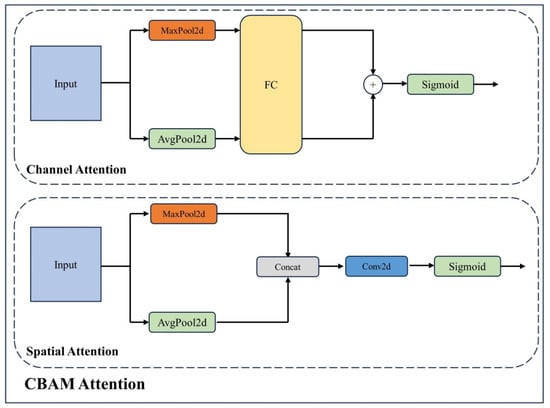
The detection of fabric defects is a critical step in ensuring product quality within the textile industry. However, existing object detection methods often struggle to effectively capture the subtle features of narrow fabric defects (such as narrow yarn defects), resulting in decreased detection accuracy. To address this challenge, an improved object detection method is proposed in this paper, achieved by embedding a Convolutional Block Attention Module (CBAM) into an advanced Faster R-CNN network, thereby enhancing the ability to capture the characteristics of narrow defects. Furthermore, the impact of different CBAM embedding positions was investigated in order to optimize the maximum contribution of CBAM to fabric defect detection. Experimental results, based on a 6317-sample fabric defect dataset, demonstrate that the proposed method achieved a maximum improvement of 2.6% in mean Average Precision (mAP), and a maximum improvement of 5.97% in AP for narrow yarn defects. The findings of this research are promising in offering a possible solution for efficient defect detection within textile manufacturing.
Full article
(This article belongs to the Special Issue Emerging Trends in Artificial Intelligence and Machine Learning for Advanced Collaborative Manufacturing Systems)
►▼
Show Figures

Figure 1
Open AccessArticle
Browser-Native Federated Inference on Existing Italian SSN Clinical Workstations: A Peer-to-Peer Sovereignty-Preserving AI Architecture for Italian Regional Health Networks
by
Alessandro Perrella, Silvia Pecoraro, Ada Maffettone, Paola Salvatore, Antonio D’Amore, Valerio Morfino and Massimo Bisogno
Information 2026, 17(9), 869; https://doi.org/10.3390/info17090869 - 8 Sep 2026
Abstract
Clinical adoption of large language models (LLMs) in public healthcare faces a structural impasse: the capital expenditure of centralised high-performance computing on one side and the privacy risk of routing patient data through third-party cloud interfaces on the other. Italian local health authorities
[...] Read more.
Clinical adoption of large language models (LLMs) in public healthcare faces a structural impasse: the capital expenditure of centralised high-performance computing on one side and the privacy risk of routing patient data through third-party cloud interfaces on the other. Italian local health authorities (Aziende Sanitarie Locali, ASL) operate large fleets of clinical workstations that remain idle outside peak administrative hours. We present OmniMed Federated, a browser-native architecture using the WebGPU application programming interface (API) and the WebLLM framework to distribute LLM inference tasks across these existing workstations. The system federates task allocation rather than model training or partitioned inference: each query executes in full on one node, selected under a data residency constraint. A five-tier escalation model, coordinated by a metadata-only PHP back end, ranks tiers by data exposure rather than capability, with commercial cloud fallback disabled by default. In a pilot three-node testbed (50 queries), federated throughput reached 19.5 versus 8.2 tokens/second standalone, peak per-node memory fell 62%, and node discovery took 140 ms; query content remained within the institutional perimeter throughout. These figures establish infrastructural feasibility at pilot scale. Clinical output quality, security hardening, and scalability remain unevaluated.
Full article
(This article belongs to the Special Issue Advancements in Healthcare Data Science: Innovations, Challenges and Applications, 2nd Edition)
►▼
Show Figures

Figure 1
Open AccessArticle
Bridging Aspect-Level and Document-Level Sentiment Analysis in Online Education Through Constrained Multi-Granularity Generative Modeling
by
Shenyi Guo, Youchen Kao and Luchu Cao
Information 2026, 17(9), 868; https://doi.org/10.3390/info17090868 - 8 Sep 2026
Abstract
Automated sentiment analysis of online-education reviews is useful for understanding learner feedback. Classification-based methods usually capture only document-level polarity. They may miss aspect-level signals and may collapse to the majority class under the heavy imbalance typical of course reviews. When the task is
[...] Read more.
Automated sentiment analysis of online-education reviews is useful for understanding learner feedback. Classification-based methods usually capture only document-level polarity. They may miss aspect-level signals and may collapse to the majority class under the heavy imbalance typical of course reviews. When the task is reformulated as generation, document-level and aspect-level outputs can be unified. However, out-of-vocabulary aspect labels, parsing failures, and weakly grounded links between granularities may also be introduced. Multi-perspective and Holistic Evaluation T5 (MHE-T5), a model built on the Text-to-Text Transfer Transformer (T5), is proposed as a constrained multi-granularity generative model. It emits aspect-level and document-level sentiment in one schema. The model combines grammar/finite-state machine (FSM)-constrained decoding, a document–aspect consistency coupling with a proved alignment property, and a cross-granularity contrastive objective. The decoding guarantee is limited to schema parse-validity and closed-vocabulary conformity; it does not guarantee semantic correctness of the selected aspect or polarity. Across four datasets, including a large rating-derived Coursera corpus, two human-annotated education aspect-based sentiment analysis (ABSA) datasets, and the standard Multi-Aspect Multi-Sentiment (MAMS) benchmark, generative models improve macro-averaged F1-score (Macro-F1) over Bidirectional Encoder Representations from Transformers (BERT) by 0.36 to 0.61 on the three datasets that carry discriminative baselines. MHE-T5 attains the highest document-level Macro-F1 among the evaluated benchmarks while providing formal schema-level guarantees on the closed-vocabulary settings. A controlled comparison with DeepSeek-V3 on identical examples, used as a large language model (LLM) baseline, shows that the fine-tuned 220M model is a competitive schema-constrained fine-grained aspect extractor under the fixed protocol.
Full article
(This article belongs to the Special Issue Advancing AI Applications in Education and Engineering: A Multidisciplinary Perspective)
►▼
Show Figures

Figure 1
Open AccessArticle
Calibrating LLM-Derived Trust Scores for News Outlets When Public Factuality Scorecards Disappear
by
Pieter Claassen, Gary van Vuuren and Tanja Verster
Information 2026, 17(9), 867; https://doi.org/10.3390/info17090867 - 8 Sep 2026
Abstract
Third-party news-source factuality scorecards are valuable but increasingly fragile. Web pages change, access conditions shift and underlying datasets may disappear. The challenge is therefore not only benchmark imperfection but also benchmark sustainability as credibility datasets, search interfaces and platform reputation signals become harder
[...] Read more.
Third-party news-source factuality scorecards are valuable but increasingly fragile. Web pages change, access conditions shift and underlying datasets may disappear. The challenge is therefore not only benchmark imperfection but also benchmark sustainability as credibility datasets, search interfaces and platform reputation signals become harder to access reproducibly. This study investigates whether a fixed large language model (LLM) scoring procedure can generate durable, replayable outlet-level trust scores that align with a frozen external factuality benchmark rather than objective ground truth. Fifty-two English-language news outlets were assessed across nine predefined trust dimensions and compared with a frozen Media Bias Fact Check (MBFC) factuality snapshot. Raw LLM scores were rank-aware but compressed (Pearson’s , Spearman’s , full-cohort mean GAP ). An affine calibration fitted on 42 training outlets increased full-cohort Pearson alignment to and reduced mean GAP to ; on the fixed ten-outlet validation fold, mean GAP fell from to . Across 1000 additional stratified 42/10 splits, median validation GAP was (central 95% split range – ). Wikipedia lead and source-weighted web enrichment did not outperform the calibrated archival path in the retained data. The Step 4 unweighted web-search meter improved on the Wikipedia-lead meter (Pearson’s , Spearman’s , full-cohort mean GAP ; fixed-validation GAP ) but remained below the calibrated archival path. RSS monitoring is reported separately as an asymmetric, bounded adverse-event signal rather than a second factuality benchmark. These findings support calibrated LLM trust vectors as a potentially useful archival proxy while highlighting benchmark dependence, sampling constraints, model sensitivity and the importance of reproducible data provenance.
Full article
(This article belongs to the Topic AI-Driven Information Governance for Sustainable Decision Making and Innovation)
►▼
Show Figures

Figure 1
Open AccessArticle
Benchmark-Task Heterogeneity in Misinformation-Related and Human–AI Text Classification
by
Grzegorz Świerk and Rafał Olszowski
Information 2026, 17(9), 866; https://doi.org/10.3390/info17090866 - 8 Sep 2026
Abstract
Stylometric features and frozen sentence-transformer embeddings are widely used as low-cost inputs for misinformation-related text classification, but heterogeneous benchmark tasks are rarely compared under a common protocol. We evaluated term frequency–inverse document frequency (TF-IDF), a 22-feature stylometric battery, frozen sentence-BERT, and fine-tuned RoBERTa
[...] Read more.
Stylometric features and frozen sentence-transformer embeddings are widely used as low-cost inputs for misinformation-related text classification, but heterogeneous benchmark tasks are rarely compared under a common protocol. We evaluated term frequency–inverse document frequency (TF-IDF), a 22-feature stylometric battery, frozen sentence-BERT, and fine-tuned RoBERTa on 15 English-language benchmarks (n = 24,906), including five human–AI provenance corpora. A descriptive partition of the raw area under the receiver operating characteristic curve (AUC) values attributed 71.8% of the total sum of squares to task category means and 13.7% to benchmarks within categories; an exact benchmark label permutation yielded p = 0.000161, but category remained confounded with benchmark construction, source, domain, label mapping, and sampling. After correcting three label orientations, the mean off-diagonal transfer AUC was 0.492 for stylometry and 0.507 for sentence-BERT. Retained-character matching reduced the length-only AUC to approximately 0.50, while low-cost methods retained AUCs of 0.779–0.999 in four estimable human–AI benchmarks; AITextPile lacked common support. Alternative LIAR/LIAR2 mappings changed individual estimates and method ordering. Random intake sensitivity was method-dependent: the MAGE length-only AUC fell from 0.936 to a median of 0.476 and AITextPile from 1.000 to 0.560. The results support benchmark- and target-domain-specific validation, not a universal misinformation or AI-text detector.
Full article
(This article belongs to the Special Issue Emerging Trends in Machine Learning and Natural Language Processing)
►▼
Show Figures

Graphical abstract
Open AccessArticle
Explainable Early Activity Recognition via Wearable Inertial Sensors for Human–Robot Collaboration in Agriculture
by
Lefteris Benos, Erotokritos Skordilis, Remigio Berruto and Dionysis Bochtis
Information 2026, 17(9), 865; https://doi.org/10.3390/info17090865 - 7 Sep 2026
Abstract
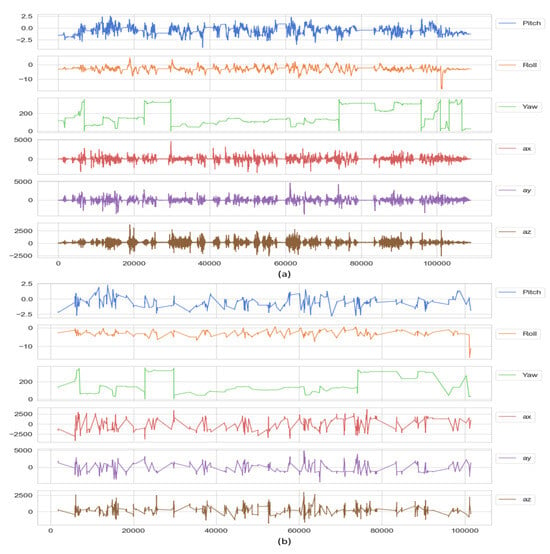
In open-field agriculture, timely human activity recognition (HAR) is critical for anticipating worker actions and enabling proactive human–robot collaboration. This study developed an offline early HAR framework based on pre-segmented activity sequences. Long Short-Term Memory (LSTM) networks were used in conjunction with wearable
[...] Read more.
In open-field agriculture, timely human activity recognition (HAR) is critical for anticipating worker actions and enabling proactive human–robot collaboration. This study developed an offline early HAR framework based on pre-segmented activity sequences. Long Short-Term Memory (LSTM) networks were used in conjunction with wearable inertial sensors mounted on the chest, cervical region, lumbar region, and right and left wrists. Accelerometer, gyroscope, and magnetometer signals were collected from 20 participants during an outdoor agricultural material-handling task, with a mobile ground robot serving as the receiving platform for the crate. Each activity was represented by cumulative prefixes from 30% to 100% of its duration. At the 30% observation ratio, the model achieved a macro-F1 score of 0.9314, compared with 0.9481 for the full sequence, corresponding to an absolute difference of 0.0167. Shapley Additive Explanations (SHAP) were also used to identify the body locations, sensor modalities, and signal channels that contributed most. The early decisions were mainly supported by sensors placed on the trunk, with wrist sensors providing complementary information, particularly for standing classification. Multimodal inertial information was also important. The most influential inputs were mainly gyroscope and magnetometer channels from the chest, cervical region, and lumbar region. In conclusion, the high performance at early observation ratios highlights the potential to support more adaptive and better-coordinated robot-assistance strategies.
Full article
(This article belongs to the Special Issue Human Motion Perception for Intelligent Systems Awareness and Robotic Control)
►▼
Show Figures

Figure 1
Journal Menu
► ▼ Journal Menu-
- Information Home
- Aims & Scope
- Editorial Board
- Reviewer Board
- Topical Advisory Panel
- Instructions for Authors
- Special Issues
- Topics
- Sections & Collections
- Article Processing Charge
- Indexing & Archiving
- Editor’s Choice Articles
- Most Cited & Viewed
- Journal Statistics
- Journal History
- Journal Awards
- Society Collaborations
- Conferences
- Editorial Office
Journal Browser
► ▼ Journal BrowserHighly Accessed Articles
Latest Books
E-Mail Alert
News
1 September 2026
MDPI INSIGHTS: The CEO’s Letter #38 – 2 Million Published Articles, Outstanding Reviewers, Michele Parrinello Award, AIS 2026 & WSF-12
Topics
Topic in
World, Informatics, Information
The Applications of Artificial Intelligence in Tourism
Topic Editors: Angelica Lo Duca, Jose BerengueresDeadline: 30 September 2026
Topic in
Electronics, Information, Mathematics, Sensors
Extended Reality: Models and Applications
Topic Editors: Moldoveanu Alin, Anca Morar, Robert Gabriel LupuDeadline: 31 October 2026
Topic in
Brain Sciences, JCM, Healthcare, Reports, Information, NeuroSci
Applications of Virtual Reality Technology in Rehabilitation—2nd Edition
Topic Editors: Jorge Oliveira, Pedro GamitoDeadline: 30 November 2026
Topic in
AI, Applied Sciences, BDCC, Electronics, Information
Advanced Development and Applications of AI-Generated Content (AIGC)
Topic Editors: Bolong Zheng, Qing Xie, You LiDeadline: 31 December 2026
Conferences
Special Issues
Special Issue in
Information
Next-Generation Imbalanced Learning: Trustworthiness, Scalability, and Representation: A Special Issue Dedicated to the Memory of Prof. Barbara Pes
Guest Editor: Andrea LoddoDeadline: 15 September 2026
Special Issue in
Information
Recent Advances in Graph Neural Networks and Their Applications
Guest Editors: Jian Yu, Xin Liu, Zhizhong LiuDeadline: 20 September 2026
Special Issue in
Information
Innovative AI Solutions for Cybersecurity in Critical Infrastructures
Guest Editors: Jairo A. Gutierrez, Yezid DonosoDeadline: 28 September 2026
Special Issue in
Information
Emerging Approaches in Semantic Technologies and Blockchain Systems
Guest Editors: Daniele Francesco Santamaria, Carmelo Fabio LongoDeadline: 30 September 2026
Topical Collections
Topical Collection in
Information
Knowledge Graphs for Search and Recommendation
Collection Editors: Pierpaolo Basile, Annalina Caputo
Topical Collection in
Information
Augmented Reality Technologies, Systems and Applications
Collection Editors: Ramon Fabregat, Jorge Bacca-Acosta, N.D. Duque-Mendez
Topical Collection in
Information
Natural Language Processing and Applications: Challenges and Perspectives
Collection Editor: Diego Reforgiato Recupero